

Introduction
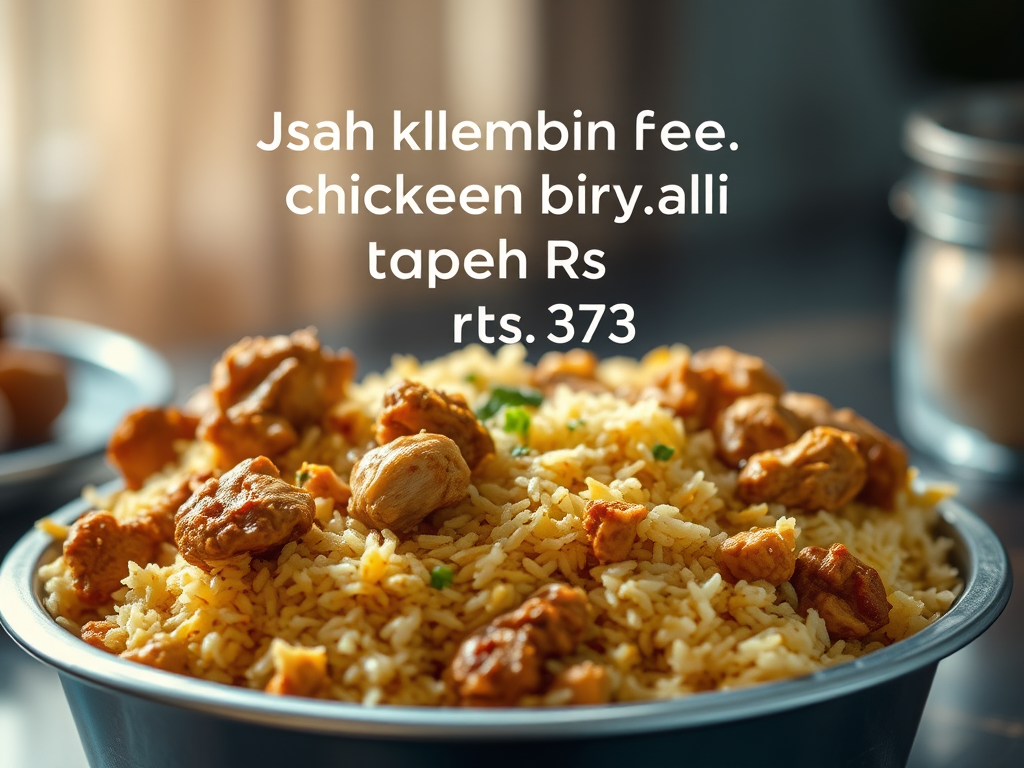
Food is not just sustenance; it’s an experience. Every time we order a meal, especially something as iconic as chicken biryani, we expect a symphony of flavors – tender meat, perfectly cooked rice, fragrant spices, and a touch of love. Unfortunately, my recent experience with a local restaurant left me utterly disappointed. I had ordered a parcel of chicken dum biryani for two, costing Rs. 373 – a price that suggested quality and taste.
Instead, what arrived was a meal far from enjoyable. The chicken was dry, the rice was over-steamed and soggy, and the spices were barely noticeable. This wasn’t just a one-off issue; I had a similar problem with their food yesterday, which was tasteless and poorly prepared. Such consistent lapses in food quality raise concerns not just about the restaurant’s commitment to culinary standards, but also about the value customers receive for their money.
In this blog, I will dissect my experience, highlighting the issues in preparation, hygiene, customer expectations versus reality, and the overall disappointment of spending a considerable amount for substandard food. This blog serves as a guide for fellow food lovers to make informed choices and for restaurants to realize that quality matters more than just pricing.

Chapter 1: The Expectation vs Reality of Ordering Biryani
Ordering biryani from a restaurant comes with certain expectations: aromatic basmati rice, succulent chicken marinated with spices, and a balanced flavor profile where neither the rice nor the meat overshadows the other.
Unfortunately, my recent order shattered these expectations. The dum biryani parcel for two, priced at Rs. 373, looked presentable at first glance. But the moment I opened the container, the disappointment was immediate. The rice was clumped together, indicating over-steaming. There was no aroma of saffron or ghee – elements that are essential to authentic dum biryani. The chicken itself was dry and lacked proper seasoning.
I’ve had many biryani experiences, from street vendors to high-end restaurants, and the difference between them is taste, hygiene, and consistency. Paying a premium price comes with the promise of flavor and quality, not bland and badly prepared food. The restaurant’s failure to deliver on this front is inexcusable.
Chapter 2: Yesterday’s Experience – A Pattern of Poor Quality
This isn’t the first time I faced such disappointment. Yesterday, I had ordered food from the same place, hoping to enjoy a satisfying meal after a long day. But the outcome was similar – tasteless, overcooked, and unhygienic food.
The rice was sticky and lacked the individual grain texture that biryani demands. The chicken pieces were minimal, dry, and poorly spiced. Even the portion size didn’t justify the cost. For Rs. 373, one expects a fulfilling, flavorful meal, not something that feels like a hurriedly prepared, mass-produced item.
It is concerning when a restaurant consistently fails to maintain quality. Repeated poor experiences suggest systemic issues in kitchen management, ingredient selection, and preparation methods. Customers trust that a brand name guarantees a certain standard, and failing to deliver on that trust risks long-term reputation damage.
Chapter 3: Hygiene and Food Safety Concerns
One of the most concerning aspects of my experience was the quality of hygiene. When food is over-steamed, improperly stored, or poorly handled, it not only affects taste but can also be a health risk.
Upon opening the parcel, I noticed a strange smell, slightly off compared to freshly cooked biryani. While it wasn’t outright foul, it raised questions about the storage and preparation methods used by the restaurant. Proper hygiene in kitchens is non-negotiable, especially when handling meat. Overcooked or improperly stored chicken can lead to bacterial growth, making the meal unsafe.
Restaurants must prioritize hygiene alongside taste. Customers are willing to pay for good food, but poor hygiene and low-quality preparation make even a well-priced meal unworthy of consumption.
Chapter 4: The Price vs Quality Dilemma
The Rs. 373 price tag for a two-person dum biryani parcel indicates a mid-range quality expectation. At this price point, diners expect:
- Properly marinated and tender chicken.
- Fragrant, perfectly cooked rice.
- Balanced and noticeable spices.
- Clean and hygienic preparation.
Unfortunately, this experience highlights a growing trend: restaurants charging premium prices while cutting corners on preparation and ingredients. This not only disappoints customers but also creates mistrust in the brand. Paying more should mean better quality, not simply a larger portion of poorly made food.
Chapter 5: How Restaurants Can Improve
Restaurants must recognize the importance of consistency, flavor, and hygiene. Here are some recommendations:
- Focus on proper marination and cooking techniques: Dum biryani requires patience and proper steam cooking. Over-steaming rice or under-seasoning chicken ruins the dish.
- Maintain ingredient quality: Fresh spices, good-quality chicken, and basmati rice make all the difference.
- Ensure hygiene and food safety: Regular kitchen audits, proper storage, and clean preparation areas are essential.
- Listen to customer feedback: Consistently poor reviews should be a wake-up call. Restaurants that ignore customer feedback risk losing credibility.
Chapter 6: Advice for Customers
For fellow food lovers, here’s some advice:
- Don’t always equate price with quality. Expensive doesn’t guarantee taste or hygiene.
- Check recent reviews and feedback before ordering, especially if you’re trying a new restaurant.
- If you face repeated issues, it’s better to explore alternative restaurants rather than risking another disappointing meal.
- Document your experience with photos and honest reviews. This helps other customers make informed decisions.
Conclusion
In conclusion, food is more than a transactional purchase – it’s an experience, an expectation of flavor, hygiene, and satisfaction. My recent experience with a Rs. 373 dum biryani for two, and repeated tasteless meals from the same restaurant, highlights a concerning gap between pricing and quality.
Restaurants must remember that consistency, proper preparation, and hygiene are non-negotiable if they want to retain loyal customers. As diners, we have the right to expect value for our money, not just overpriced parcels of poorly made food.
Food is an emotion, and when it fails to deliver on taste, quality, and hygiene, it leaves a bitter experience – literally and metaphorically. Let this blog be both a caution for customers and a wake-up call for restaurants: invest in quality, or risk losing trust and credibility.
Leave a Reply