

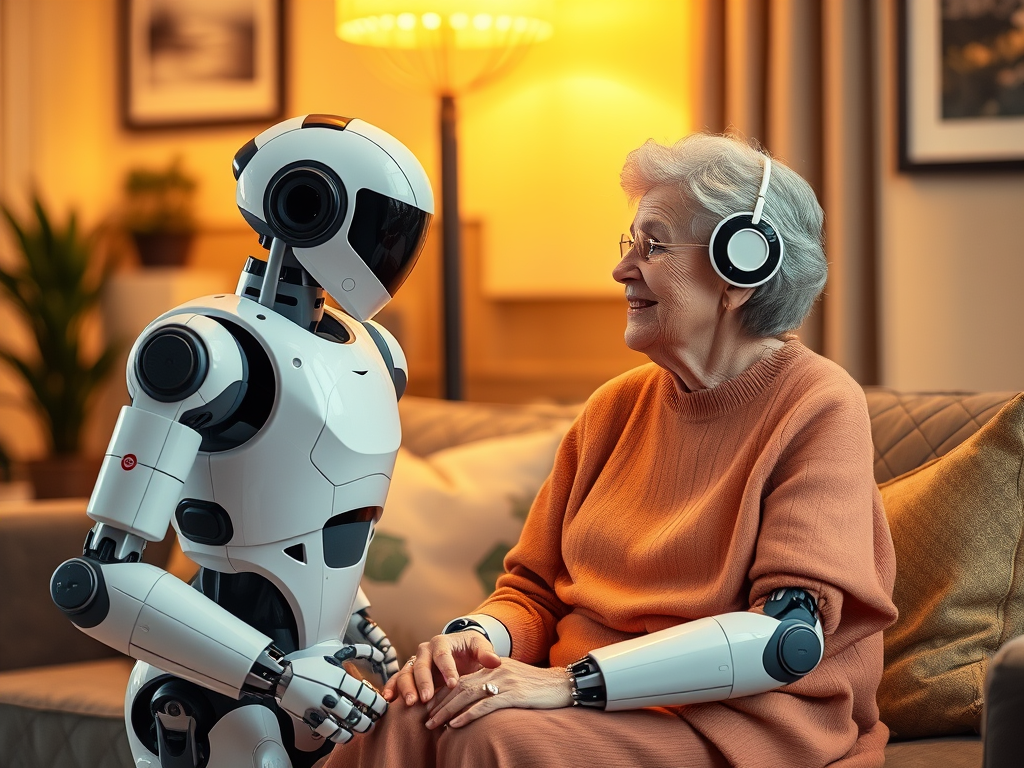

Discover how robotics is transforming daily life in 2025 — from smart cleaning robots to caregiving companions. Explore innovations, real-world stories, benefits, challenges, and the future of home and healthcare robotics.


Introduction
Picture this: you wake up, stretch, and grab a hot cup of coffee. As you head out for work, your robotic vacuum hums softly in the background, cleaning the floors. Later in the day, your grandmother gets a gentle reminder from a caregiving robot to take her medication, followed by a warm chat that brightens her afternoon. This isn’t tomorrow’s dream — it’s today’s reality.
In 2025, robotics has stepped out of science fiction and into our daily routines. These machines aren’t cold or distant; they’re designed to support, comfort, and free us from chores so we can focus on what really matters: family, well-being, and time. In this blog, we’ll take a heartfelt look at how robots are shaping daily life, from cleaning to caregiving.

1. The Evolution of Robotics in Everyday Life
The story of robotics is one of constant transformation — from industrial machines to personal helpers.
- Industrial Roots: In the 1960s, robotic arms revolutionized factories. They were powerful, efficient, but strictly business.
- The Home Debut: The 2000s gave us the Roomba. Suddenly, robots were in living rooms, not just assembly lines.
- The AI Era: Now, robots aren’t just tools. They’re learners, companions, and even conversationalists, able to respond to voices and adapt to daily patterns.
- “Evolution of robotics timeline from industrial to personal caregiving robots.”

2. Cleaning Robots: Making Homes Smarter (and Happier)
Cleaning robots are more than gadgets. They’re partners in creating peaceful, clutter-free spaces.
Robotic Vacuums
Brands like Roomba or Roborock map your home, avoid obstacles, and keep floors spotless. For busy parents, it means more bedtime stories and less sweeping.


Robotic Mops & Window Cleaners
They take on the messiest jobs, from sticky floors to tall windows, without complaint.
Lawn-Mowing Robots
Picture yourself enjoying a glass of lemonade while a robot trims your lawn. It’s convenience and serenity rolled into one.
Why People Love Them:
- They return precious hours to families.
- They help elderly or mobility-challenged individuals maintain independence.
- They bring reliability — no more skipped chores.
3. Caregiving Robots: Compassion Meets Technology
Caregiving robots show that machines can nurture, not just perform.
Elderly Care Robots
Robots like ElliQ remind seniors to take medicine, suggest exercises, and even chat. For someone living alone, it’s a lifeline.


Healthcare Robots
In hospitals, robots like Moxi deliver supplies so nurses can focus on patient care. Families benefit because caregivers have more time to give emotionally
Assistive Robots for Disabilities
Exoskeletons help people stand and walk again, offering second chances many thought impossible.
Emotional Support Robots
Therapeutic companions like Paro the Seal bring smiles and calm to dementia patients. Sometimes comfort comes with fur — even if it’s robotic.

4. The Technology That Makes It Possible
Robotics blends science with empathy. Here’s what powers them:
- AI & Machine Learning: Robots recognize habits and adjust routines.
- Computer Vision: They see faces, objects, and even emotions.
- IoT Integration: They connect with your smart home devices seamlessly.
- Smart Design: Built with safety, lightness, and user-friendliness in mind.

5. The Everyday Benefits of Robotics
Robotics isn’t about machines — it’s about the lives they improve.
- More Family Time: Robots take care of chores so you can create memories.
- Accessibility: Seniors and people with disabilities live more independently.
- Less Stress: A tidy home without effort means peace of mind.
- Consistency: Robots don’t forget, procrastinate, or tire.

6. Concerns and Real Challenges
Not everything is rosy. Some concerns need attention:
- Cost: Advanced robots are expensive.
- Privacy: Smart robots raise questions about cameras and data security.
- Balance: Robots should support, not replace, human interaction.
- Jobs: Automation shifts how work is distributed.

Alt text: “Balanced view of benefits and risks of caregiving robots.”
7. The Future of Robotics in Daily Life
The future promises deeper integration and affordability:
- Robots that detect moods and offer empathetic responses.
- Caregiving robots accessible to middle-class households.
- Partnerships between humans and robots that feel natural.

8. Real Stories That Inspire
- Japan’s Robear: Lifts patients gently, easing physical strain on caregivers.
- Moxi in Hospitals: Nurses report less stress when routine tasks are automated.
- Families with Roomba: Parents find extra time to bond with kids.

9. Choosing the Right Robot for Your Home
If you’re curious about adding a robot to your household, consider:
- Do you need help with cleaning, caregiving, or both?
- What’s your budget?
- Will it integrate with your smart devices?
Popular Choices in 2025:
- Roomba j9+: Best for vacuuming.
- Narwal Freo: Mop-and-vacuum combo.
- ElliQ: A supportive companion for seniors.
- Miko 4: Learning buddy for children.

Conclusion
Robots aren’t here to replace love, care, or connection. They’re here to support them. A cleaning robot gives you back precious hours. A caregiving robot offers comfort and dignity. Together, they enhance life, making it richer and more balanced.
Yes, there are challenges, but the human story behind robotics is clear: technology is stepping in to help us live better, not colder, lives.


Frequently Asked Questions (FAQ)
Q1: Are robots safe to use around children and pets?
Yes, most modern home robots are equipped with sensors and safety mechanisms to avoid accidents. Always follow manufacturer guidelines.
Q2: Can caregiving robots replace human caregivers?
No. Robots are designed to assist with tasks and provide companionship, but they can’t replace the emotional depth and judgment of human caregivers.
Q3: Are cleaning robots worth the investment?
If you value time and convenience, yes. They save hours of work each week and maintain cleanliness consistently.
Q4: What are the biggest concerns with home robots?
Privacy, cost, and dependency. It’s important to balance the benefits with mindful use.
Q5: How do I choose the right robot for my needs?
Start by identifying whether you need cleaning help, caregiving support, or both. Then compare features, budget, and compatibility with your home setup.
Leave a Reply