

Summary:
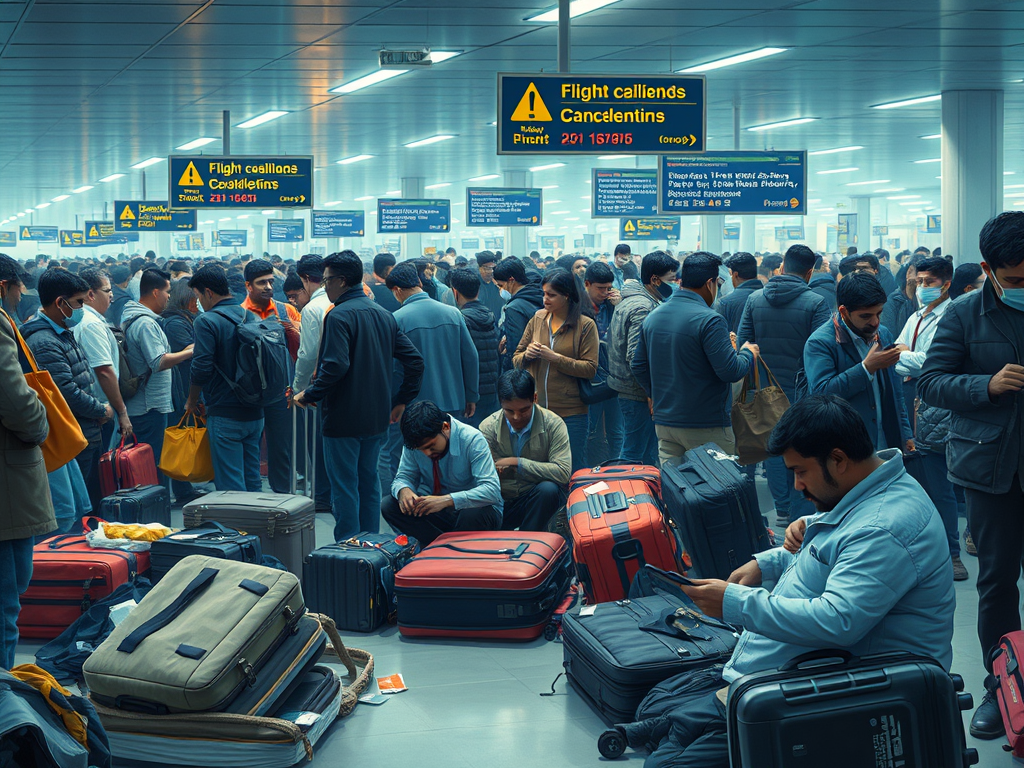
In early December 2025 India’s largest domestic carrier, IndiGo, suffered a major operational collapse: thousands of flights were delayed or cancelled over a few days as new pilot/crew duty-time rules (FDTL) exposed scheduling shortfalls. The turmoil left passengers stranded, created a massive refund and re-issue workload, prompted government intervention (refund deadlines, fee waivers and fare caps), and raised questions about how airlines manage ticket issue dates, re-issuance, vouchers and passenger compensation during fast-moving operational crises. This article explains what “issue date” means, what specifically went wrong in December, how it affected ticketing and refunds, passengers’ rights in India, practical advice for travellers, and what the airline/regulator must do next.
1. What is a ticket “issue date” — the baseline (quick explainer)
When you book a flight and the airline accepts payment, the airline’s reservation system generates an electronic ticket (an e-ticket). The issue date is the date the ticket was created/issued in the airline’s system — essentially the date the transaction was recorded and your e-ticket number assigned. It is not the travel/departure date. If you later change your booking and the airline re-issues the ticket, the ticket may carry a new issue date reflecting the re-issuance. For legal, accounting and customer-service purposes (refund validity, voucher validity, fare rules) that “issue date” is an important reference point for computing deadlines, validity periods and eligibility.
Practical example: if you purchased a ticket on November 1 and it was issued then, the issue date will remain that date until/unless the ticket is re-issued after a change or cancellation. In a large disruption, many passengers end up with re-issued tickets or refunds, and the issue date becomes relevant when deciding whether a voucher is still valid or whether a fare rule applies.
2. The December 2025 disruption — what actually happened (timeline & scale)
In early December 2025 the Indian aviation system faced a severe disruption centred on IndiGo. On December 5 alone the airline cancelled over 1,000 flights across the country; over the first few days of the disruption thousands of travellers were affected, with flight cancellations and long delays reported from major hubs such as Delhi, Mumbai, Bengaluru and Hyderabad. Airports reported long queues, passengers sleeping in terminals, misplaced or delayed baggage, and stranded international connections. The story rapidly escalated into one of the largest operational meltdowns in Indian domestic aviation in recent memory. The Times of India+1
Why the big numbers matter: IndiGo handles roughly 60% of India’s domestic seats; when it falters, the country’s entire traffic flow is affected — other carriers cannot instantly absorb the overflow, especially during peak season, which amplifies the passenger impact.
3. The proximate cause: new duty-time rules (FDTL) + scheduling gaps
The proximate technical cause was the rollout/phase-two enforcement of updated Flight Duty Time Limitations (FDTL) — regulations intended to reduce crew fatigue by limiting maximum duty periods and mandating rest periods. While the safety aim of FDTL is unambiguous, the implementation required airlines to revise crew rosters, shift patterns and standby pools months in advance. IndiGo — according to press reports and aviation analysts — had not adjusted roster planning sufficiently for the new limits; when the latest phase came into effect, the airline suddenly found large numbers of crew unable to legally operate previously scheduled sectors, producing a cascade of crew shortages and last-minute cancellations. The Indian Express+1
Important nuance: regulators had phased these rules in, but airlines were expected to have contingency rosters, additional crew hires or schedule buffers. A failure to do so at the scale IndiGo experienced converted what should have been a manageable compliance change into a full operational crisis. The Times of India
4. How the crisis affected ticket issue dates, re-issuance and refunds
During a widespread operational failure, airlines perform several ticketing actions en masse: cancellations, automatic refunds, re-issuance of replacement itineraries, issuing vouchers/credits, and manual re-bookings. Here’s how that process interacts with the concept of an issue date and what passengers saw:
4.1. Cancellations and original issue dates
When IndiGo cancelled flights, the airline either initiated automatic refunds for affected passengers or offered re-booking options. In the case of an automatic refund, the original ticket’s issue date remains the original issue date in airline records — but the refund action is stamped with a refund transaction date. For passengers the practical outcome is that the e-ticket is annulled and any subsequent new booking will have a new issue date (the date the replacement ticket was created). Economic Times and the Ministry directed IndiGo to clear refunds quickly and not levy rescheduling charges for affected travel between December 5–15. The Economic Times+1
4.2. Re-issued tickets and validity windows
If a passenger accepted a re-booking, the airline generates a new reservation and re-issues an e-ticket; the new ticket carries a new issue date. That matters when the passenger later needs to check voucher validity, fare-rule cutoffs or refund windows — because many internal systems and policies compute deadlines from the latest ticket issue/re-issue date.
4.3. Vouchers and credits — which issue date counts?
If IndiGo issued travel vouchers or credits, the voucher’s validity period is normally defined relative to the voucher issue date (e.g., valid for 12 months from date of issuance). That means a passenger who received a voucher dated December 6, 2025 has a different expiry than someone who received a voucher months earlier. In a mass disruption airlines often attempt to standardise by setting a uniform validity window for all affected bookings — but always read the voucher terms and watch the issue date printed on the voucher. The Economic Times
4.4. The problem passengers reported
Passengers faced inconsistent communications: some received automatic refunds and credit-notes quickly; others waited. There were reports of earlier tickets showing an old issue date while the refund or replacement ticket bore a much later transaction date — this muddled timelines for complaining, for compensation eligibility, or for reconciling bank statements and travel insurance claims. The government intervened precisely because refunds and baggage returns had not been cleared fast enough. The Times of India+1
5. Government and regulator response — deadlines, waivers and compensation
The Ministry of Civil Aviation (MoCA) and the Directorate General of Civil Aviation (DGCA) stepped in quickly as the crisis unfolded. The principal regulatory actions were:
- Ordering IndiGo to clear pending refunds for affected passengers within a tight deadline (for example, the ministry set a deadline to clear refunds by the evening of Dec 7 for pending cases). The Economic Times
- Barring rescheduling fees for passengers affected during a prescribed window (IndiGo publicly waived change/cancellation fees for bookings impacted between Dec 5–15). The Economic Times
- Forming review committees and setting up special DGCA oversight to probe why scheduling/planning failed for such a large carrier and to make sure baggage and refunds were resolved. Hindustan Times
- Temporary fare caps and consumer protections in areas where passengers were forced to buy alternative travel at inflated prices. Regulators also cautioned airlines against charging abusive fares given limited choices for rerouting. The Times of India
In short: the government’s short-term priority was passenger remediation (refunds, baggage return, accommodation) and preventing price gouging while the regulator investigated root causes and required fixes. The Times of India
6. Passenger rights under Indian rules (what you can reasonably expect)
If your IndiGo flight was cancelled or delayed in this event, here’s what you should know (condensed, practical):
- Refund or re-booking: Under DGCA guidelines, if your flight is cancelled, you are entitled to a refund of the ticket price (or a re-booking on the next available flight) without penalty. During this particular disruption IndiGo offered automatic refunds for cancelled flights within the specified window. The Economic Times
- Compensation for long delays: DGCA’s consumer protection guidance (as reported in news coverage during the event) provided compensation bands for delays — e.g., set amounts like ₹5,000 for short delays, up to ₹10,000 for long delays in specific circumstances — and compensation can apply if the airline fails to inform passengers or misses connections due to its fault. Verify the exact DGCA-published slab for the final, binding numbers as they can be updated. mint
- Baggage return: The government directed IndiGo to ensure baggage is returned swiftly and set timelines in its notices; baggage mishandling or delay may have separate remedies under carriage rules. The Times of India
- No rescheduling fee during specified period: For the disruption window, IndiGo waived rescheduling fees; the regulator also ordered airlines not to charge rescheduling fees for affected passengers. The Economic Times+1
Actionable tip: keep all communications (emails, SMS confirmations, screenshots of the PNR, and any communications about refunds or vouchers). These documents are your proof when filing a DGCA complaint or an insurance claim.
7. Real stories from the ground — financial and emotional cost
News reports and on-the-spot coverage described passengers who had to buy last-minute tickets on other airlines or travel by road at large extra expense — one widely reported case cited a passenger who spent ₹46,500 on alternate routing after a cancelled ₹8,000 flight. Airports scrambled to add extra seating and refreshments; local delegations and consumer groups threatened protests over perceived mismanagement. These anecdotes illustrate how operational disruption quickly turns into a consumer-cost and reputational crisis. The Times of India+1
From an accounting perspective for the airline, such refunds and re-issues represent sudden cash outflows and re-booking overheads; from a brand perspective, they erode trust — especially during the holiday season when leisure travel peaks.
8. How travel insurance and banks treat “issue date” during such crises
Two practical areas where issue dates matter in claims:
8.1. Travel insurance claims
If you buy travel insurance, your insurer will typically ask for booking confirmations and cancellation communications (PNR, e-ticket, refund transaction). The date the airline issued the ticket helps the insurer verify the policy period and pre-existing purchase timing. If you purchased the ticket well before the disruption, but had to re-book on a new ticket with a later issue date, insurers may treat the new transaction as part of the claim — keep both sets of documentation. If your travel insurance includes trip-cancellation cover for unforeseen airline failures, file promptly with the insurer and attach the airline’s cancellation/refund emails.
8.2. Bank / card chargebacks
If your airline fails to refund within the promised time, some passengers successfully seek chargebacks through their credit card issuer. The card company will ask for the original issue date, refund attempts, and timelines to process a dispute. Again, retention of email/SMS proofs and timestamps is crucial. Many of the government notices in this particular crisis pressured airlines to process refunds within a narrow window to reduce the number of such disputes. The Economic Times
9. Practical, step-by-step advice for passengers affected by the December disruption
If you were affected (or want to prepare for similar events), do the following — immediate to follow-up steps:
- Check your PNR and airline messages immediately. Use IndiGo’s website/app to see whether your flight is confirmed, delayed, or cancelled, and look for auto-refund notices. The Economic Times
- Take screenshots of everything. Booking confirmation, e-ticket, any cancellation email, refund transaction ID, voucher ID, and any chat transcripts. These are your evidence for DGCA or bank disputes.
- Decide quickly: refund vs re-booking. If your travel date is flexible, accepting an automatic refund and re-booking separately may be better; if you must travel, insist on re-booking on the next available flight the airline offers without charge.
- If re-booked, note the new issue date. That matters for voucher expiry, insurance and for any future disputes about timing.
- If you paid cancellation fees wrongly or the airline charged re-booking fees despite a waiver window, escalate. Contact IndiGo customer care, then DGCA if unresolved. The government ordered waivers and refunds during this episode — keep the public notices handy when you complain. The Economic Times+1
- If your luggage was delayed or lost, register an irregularity report immediately at the airport (PIR) and get a reference number. Follow up with the airline’s baggage desk and keep receipts for emergency purchases.
- Consider alternate transport early (train, bus) if time-sensitive. At peak times, alternative airline seats will be scarce and expensive — compare total cost vs delay. News reports from this disruption show passengers often paid many times the original fare when re-routing at the last minute. The Times of India
10. Wider industry implications — capacity planning, safety vs service, and systemic risk
This episode highlighted a structural tradeoff: safety/regulatory compliance (FDTL rules aim to reduce fatigue) vs operational resilience (airlines must adapt rosters, hire more crew, and run buffer resources). Key industry lessons:
- Scenario planning must be real and funded. Airlines need buffer crew pools or reserve aircraft to absorb regulatory or weather shocks. IndiGo’s network-heavy hub model gave it scale advantages — but scale also magnified fragility when the hub’s flows stopped. The Indian Express
- Regulators and carriers should coordinate transition windows. When strict safety rule phases in, regulators and airlines must ensure timelines and exemptions (if any) are well communicated and contingency plans tested. The DGCA’s step to temporarily relax or provide limited dispensations for some fleet operations during the crisis showed regulatory flexibility but also controversy among pilot bodies. The Times of India+1
- Fair treatment of passengers has reputational value. Quick refunds and transparent communication help preserve trust — government intervention to push refunds indicated that public policy prioritised protecting consumers. The Times of India
11. What IndiGo did (and what critics said)
IndiGo issued blanket waivers for re-booking and refunds for the affected dates, set up crisis management teams, and committed to accelerate refunds and baggage returns. However, critics — consumer groups, local delegations and employee associations — argued that planning failures, inconsistent communications and uneven rollout of FDTL relaxations contributed to the collapse and that compensations were reactive rather than preventive. Some pilot associations complained about “selective dispensations” that impacted fatigue and safety tradeoffs. The Times of India+1
12. A realistic timeline for resolution — what passengers could expect after Dec 5–8
From reporting and airline statements, authorities expected operations to stabilise over the following week (estimates varied, with some statements targeting normalization between Dec 10–15). This graph of short-term stabilization is typical: immediate mass cancellations -> intense government oversight and passenger remediation -> phased restoration of schedules as crew rostering is fixed -> post-mortem and long-term process changes. If you had travel planned in the window, plan for the possibility of residual delays for several days after the main incident. The Times of India+1
13. What to watch for next (policy, legal, and practical indicators)
- DGCA investigation report: the regulator will typically publish findings or guidance after a major operational failure — watch for concrete directives on roster management, reporting requirements, or fines.
- Airline financial disclosures: InterGlobe Aviation (IndiGo’s parent) will likely disclose the financial impact (refunds, compensation, one-time costs) in an investor update or stock exchange filing. Watch corporate releases for commitments on hiring additional crews or policy changes. The Times of India
- Consumer litigation/complaints: if refunds/baggage or large consumer costs persist, expect higher complaint volumes through DGCA, consumer forums, or even class actions.
- Industry adjustments: competitor capacity shifts, short-term lease hires, and recruitment pushes are likely if the FDTL regime remains unchanged — airlines will disclose these operational changes in the coming weeks.
14. Recommendations — for travellers, airlines and regulators
For travellers
- Book with flexible tickets if travelling in seasons prone to operational stress; consider refundable fares or add travel insurance with “airline failure” coverage.
- If you must travel, keep alternative plans ready, and book early. During a crisis, seats vanish fast and last-minute prices surge. Keep all documentation of cancellations, refunds, and communications.
- Use official channels (airline app, DGCA complaint portal) rather than relying solely on social media for refunds and official receipts. The Economic Times+1
For IndiGo (and other carriers)
- Invest in bigger reserve pools of crew, cross-trained staff, and automated rostering systems that model regulatory changes months in advance.
- Improve real-time passenger communication and provide standardized voucher rules to avoid confusion about issue dates and voucher expiry.
- Publish transparent timelines for refund processing and proactively contact customers rather than reactive messaging. The Indian Express
For regulators
- When phasing in safety regulations (like FDTL), coordinate mandatory lead times and require airlines to demonstrate compliance roadmaps and contingency staffing before enforcement.
- Use crisis drills and spot audits of airline crew rosters to ensure that compliance in paper matches operational readiness.
- Protect consumers by setting rapid refund timelines and enforcing penalty mechanisms for unexplained delays in refund processing. The Economic Times
15. Final thoughts — why issue dates now matter more than ever
A ticket’s issue date is an administrative detail that suddenly becomes front-row evidence during a crisis. It tells you when the airline recognized your booking, when a voucher or credit started its validity, and helps you prove timelines in disputes. In the December disruption, a chaotic mix of cancellations, re-issues and inconsistent communications made issue dates the key to tracking who got refunded, whose voucher expires when, and who was forced into expensive alternate travel.
For travellers, the lesson is to treat ticketing documents as legal receipts: save them, screenshot them, and if you are inconvenienced, use the issue date as a timestamp when escalating complaints or filing claims. For airlines and regulators, the lesson is that operational resilience, transparent consumer remediation and anticipatory planning are not optional — they are the backbone of a modern air transport system.
Leave a Reply